
Prefabrication has a reputation problem. Too often it is pitched as a factory novelty, something an owner adds late to look modern. Done that way, it rarely saves much. Done as a schedule strategy, planned around the critical path from the first weeks of design, it can take months off a project and move a large share of risky field work into a controlled shop.
Start with the critical path, not the product
The first question is not what can be built off site. Almost anything can. The question is which activities drive the finish date and what would happen if they were done somewhere else, at the same time as the work on site.
On a building, that often points to the structure and the vertical MEP risers, the overhead mechanical and electrical racks in corridors, bathroom pods in repetitive housing or hotel floors, and exterior wall panels that close in the envelope. On an industrial project it points to pipe racks, equipment skids and full process modules. In every case the value comes from parallel work. The foundations are poured while the modules are built in the yard. The site is ready on the day the first truck arrives.
If an off-site item is not on or near the critical path, it may still be worth doing for quality or safety. But it will not shorten the schedule, and the owner should know that before paying for it.
Design for it early, or do not bother
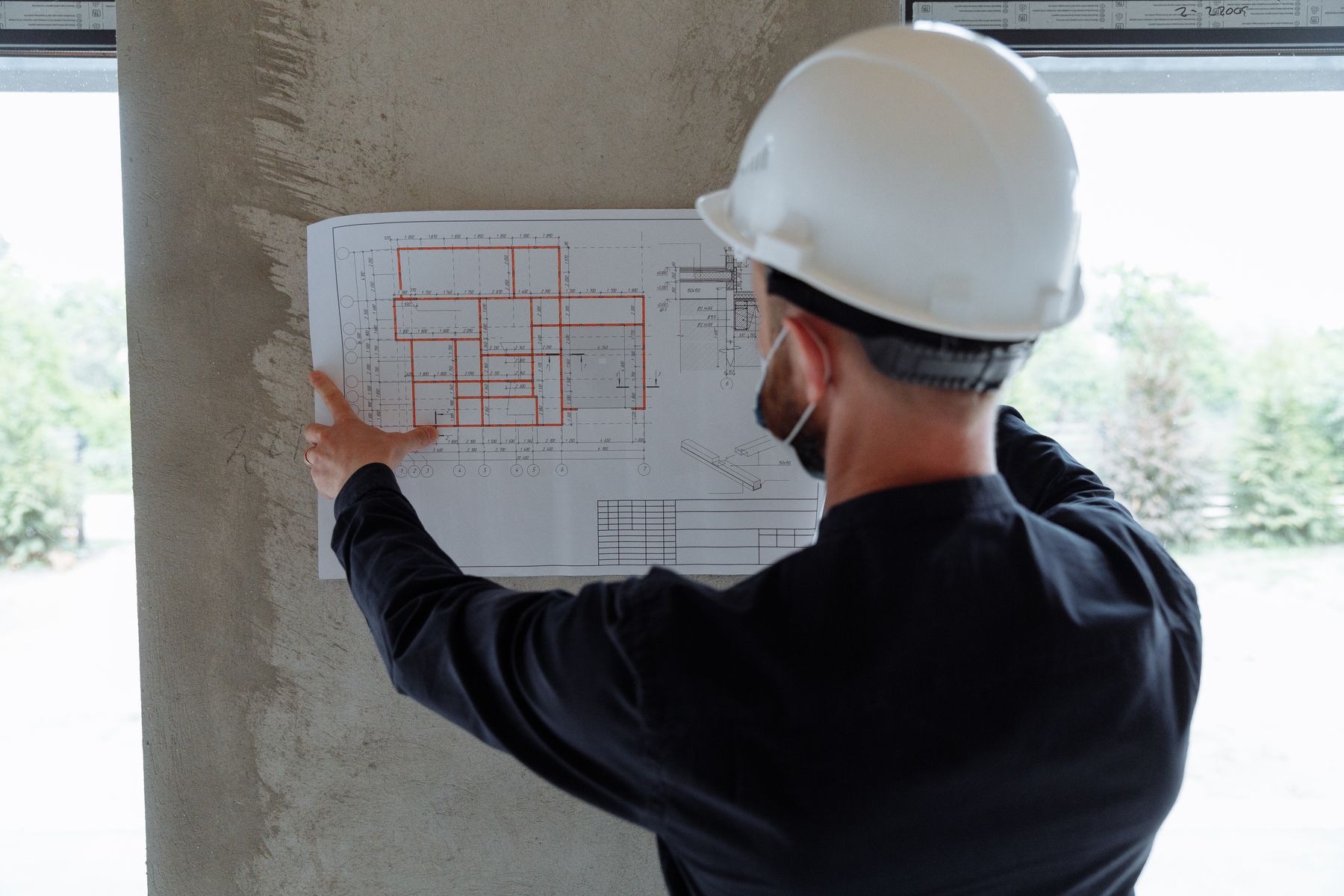
Prefabrication fails when it is bolted on after the drawings are done. By then the dimensions, the structure and the systems routing have been set for stick-built work. Converting them means redesign, and redesign late in the process costs more than it saves.
That is why our design-manufacture-install and EPC teams want to be involved during schematic design. Early decisions make the difference:
- Setting a planning grid and module sizes that fit a truck, a road permit and a crane pick.
- Locking the interfaces between modules and field work: connection details, tolerances and who owns each joint.
- Freezing the design for prefabricated elements earlier than the rest of the building, so the shop can start.
- Routing MEP systems in repeatable patterns that a rack or a pod can carry.
- Planning transport, laydown and crane access on the site logistics plan from the start.
Our VDC team models prefabricated assemblies to fabrication-level detail and checks them against the full coordination model. Clashes are solved on screen, not discovered when a module lands three inches off.
Off-site work buys time only if the design is ready for it. The schedule is won in the model months before the first module ships.
Design-manufacture-install lead, MarkWester
Sequence the yard like a job site
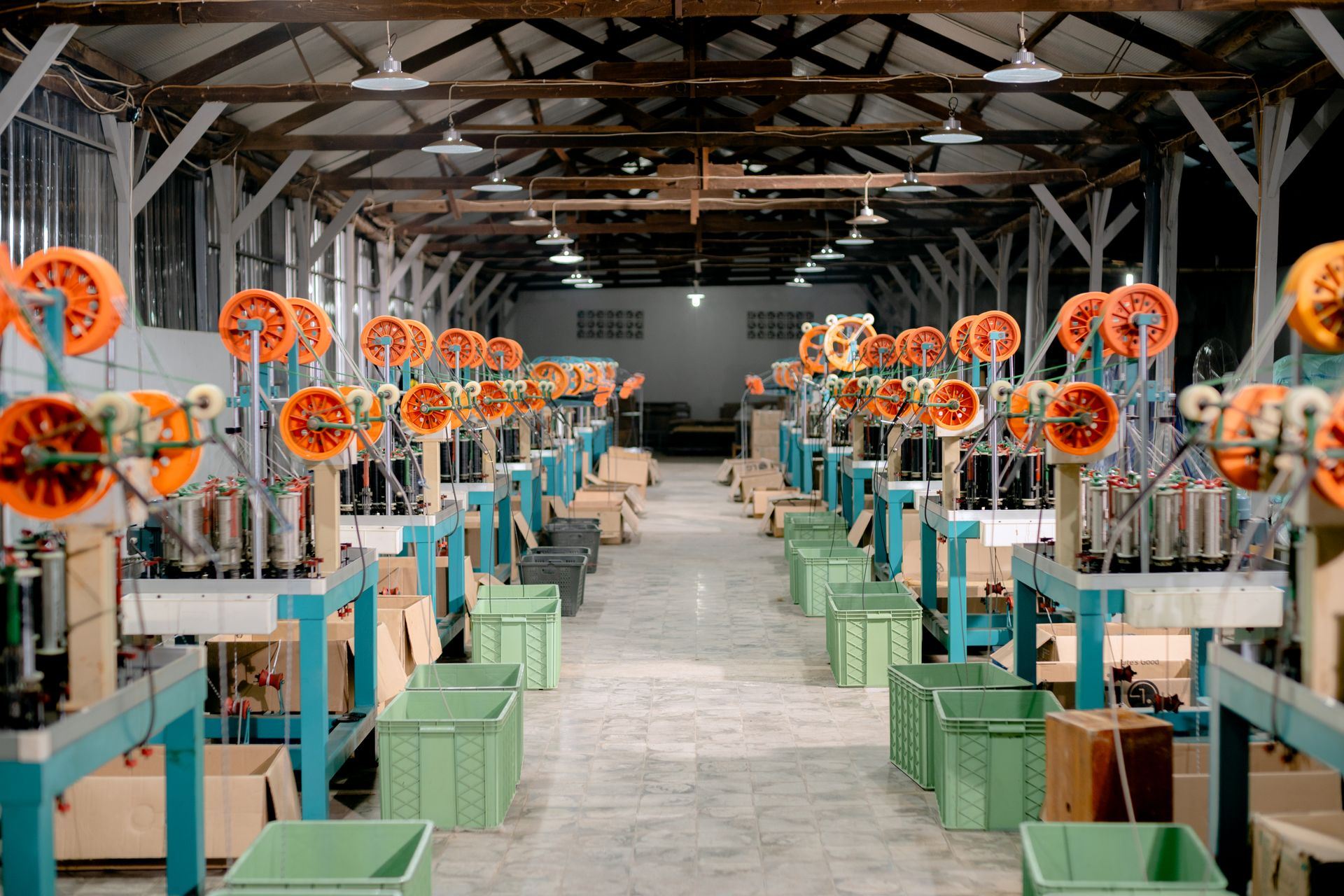
A fabrication shop is not a warehouse. It needs its own schedule, tied to the field schedule by the date each assembly must be installed. We plan backward from the install date: shipping, final inspection, testing, assembly, material receipt and procurement. Long-lead items such as switchgear, valves and specialty equipment are bought early so the shop is not waiting on them.
On our Process Facility Expansion, 42 pre-assembled process modules were fabricated in our yard and set in place during a planned turnaround. The turnaround window was fixed, and every day of it had a cost to the owner. Building the modules ahead of time, testing them in the yard and setting them in a tight sequence turned field work that would have run for months into a few weeks of setting, connecting and commissioning.
Quality improves with this approach too. Welds, pipe testing and electrical terminations done at a bench, at waist height and under cover, are easier to inspect and repeat than the same work done overhead on a lift in the weather. Safety follows the same logic. Fewer hours at height and fewer trades stacked in the same area mean fewer chances for something to go wrong.
Know when not to prefabricate
Off-site construction is not always the answer. A one-of-a-kind building with little repetition, a site where trucks and cranes cannot reach, or a design that cannot be frozen early enough may all be better served by skilled field crews. Transport costs, shop capacity and the cost of carrying finished assemblies before they are needed all belong in the comparison.
Our advice to owners is simple. Ask your builder to show you the critical path with and without prefabrication, side by side, during design. If the off-site plan shortens the path, lowers field risk and holds up on cost, commit to it early and design for it. If it does not, build it in the field and build it well. Either way, the decision should come from the schedule, not from the brochure.