
Everyone home. Built right.
Safety and quality come from the same habits: plan the task, check the first piece, speak up early. We hold every crew on our sites to those habits, ours and our partners’ alike.
Zero harm is a daily decision.
Zero harm is not a slogan on a banner. It is a choice every person on site makes again each morning, and our job is to make it the easy choice.
Plan the work
Hazards are found on paper, in the pre-task plan and the lift plan, long before anyone is exposed to them.
Stop when it changes
Weather turns, a delivery arrives early, a crew is short. When conditions change, the plan is reset before work goes on.
Learn out loud
Near misses are reported, shared across sites within days and turned into changes to how we work.
If it does not look right, stop the job. Nobody here will ever be faulted for that.
Superintendent, MarkWester
Every person on a MarkWester site has the authority and the duty to stop work they believe is unsafe. The work restarts once the hazard is controlled and the crew agrees the plan is sound. We thank the person who stopped it, every time.
How a shift starts.
The same five steps on a high-rise deck, a highway shoulder or a substation pad.
Pre-task plan
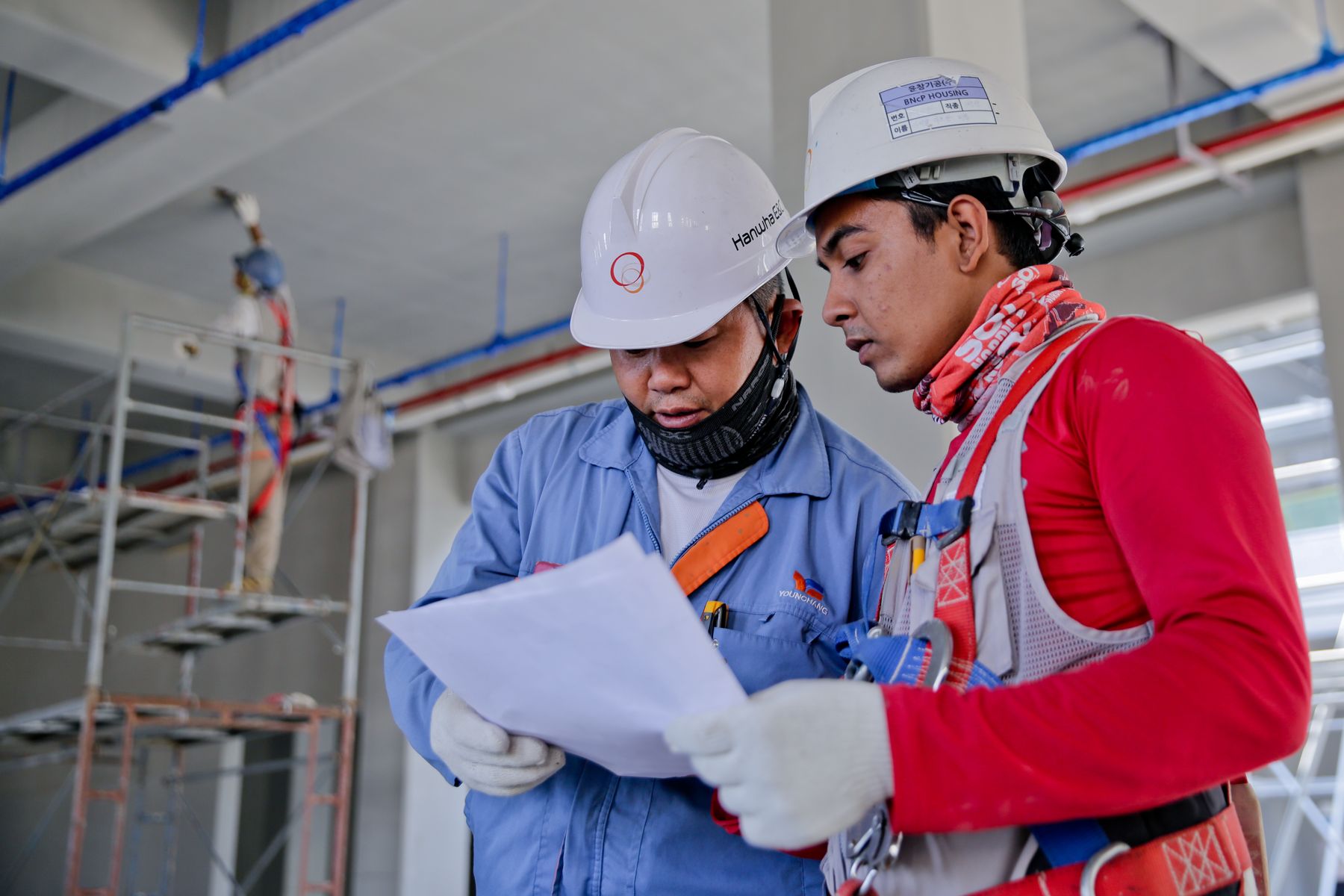
Each crew walks the task, names the hazards and writes down the controls before a tool comes out of the gang box.
Foreman huddle
Crews share the plan with the trades working above, below and beside them. Overlaps get sorted here, not on the deck.
Permits and checks
Hot work, confined space, energized work and critical lifts are permitted, signed and posted at the work area.
First-work inspection
The first piece of every new activity is inspected against the drawings and the plan before the crew moves on.
Close out
Housekeeping, a look at what changed and a short note on what tomorrow’s plan has to account for.
Right the first time.

- QC-1
A quality control plan for every project
Written before mobilization: who inspects what, against which standard, at what hold point, and who signs it off.
- QC-2
Preinstallation meetings
Designer, trade partner, superintendent and quality lead review the submittal, the sequence and the tie-ins before work starts.
- QC-3
Mockups before production
Facade, roofing, waterproofing and finish mockups are built, tested and approved so the standard is set in the field, not argued later.
- QC-4
First-work inspections
The first wall, the first pour, the first duct run. Problems found on day one cost minutes. Found at punch, they cost weeks.
- QC-5
Testing and commissioning
Air and water testing, concrete testing, pressure tests and functional checks are scheduled into the critical path, not squeezed at the end.
- QC-6
A short punch list
We punch as we go, area by area, so handover is a walk-through and not a repair project.
Skills that travel with people.
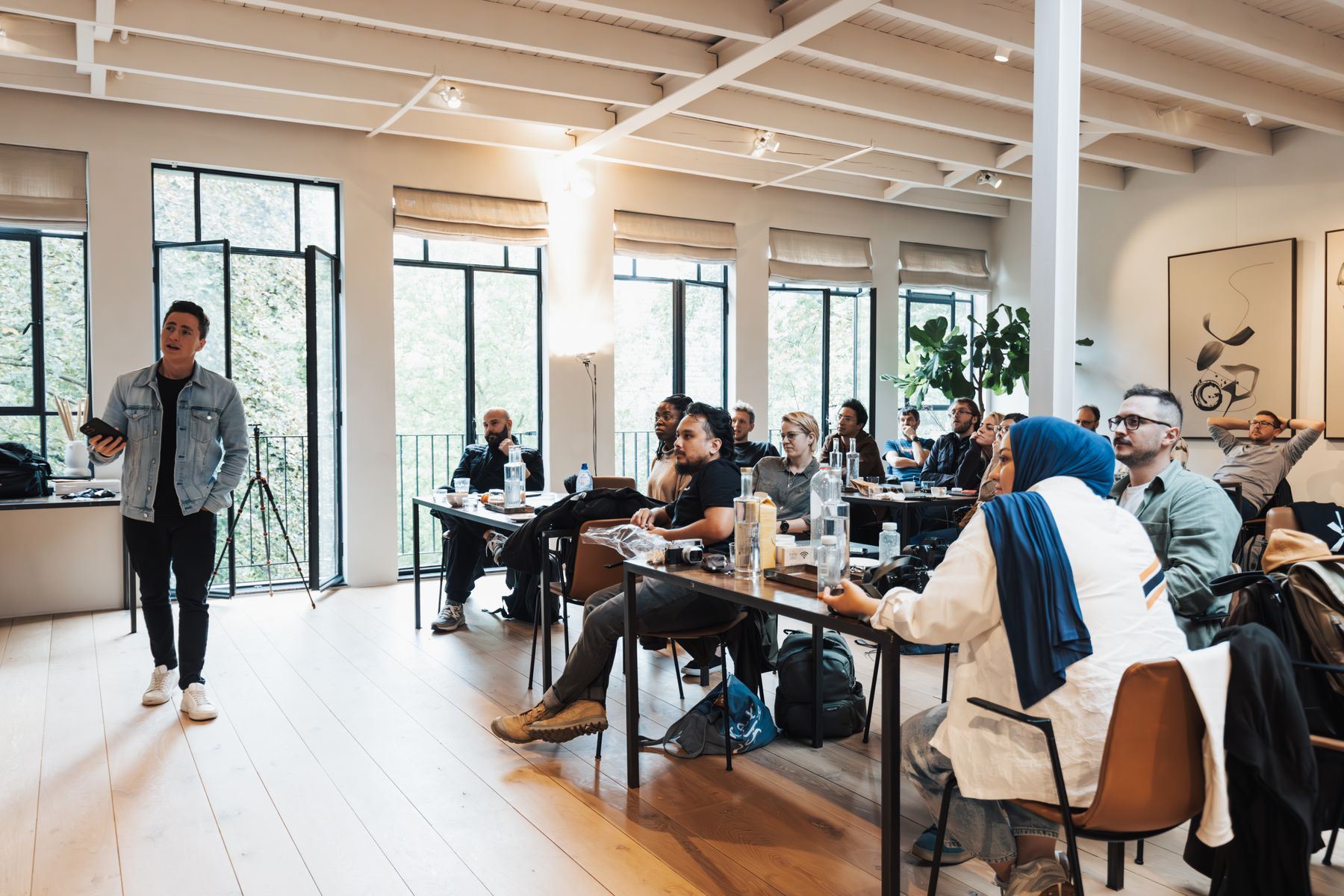
Training is how a standard survives a busy week. We invest in it from a worker’s first day to a superintendent’s first project of their own.
- Site orientationFor every worker and visitor, covering the site’s hazards, emergency plan and stop-work authority.
- Craft skillsHands-on training for our self-perform crews in concrete, steel, rigging and equipment operation.
- Foreman and superintendent developmentPlanning, leading a pre-task plan, running a huddle and coaching rather than policing.
- Quality in the fieldReading the quality control plan, holding a hold point and documenting a first-work inspection.
- Refreshers when the work changesNew equipment, new methods or a lesson from another site means new training, not a memo.
One standard for every trade.
Most of the hands on a jobsite belong to trade partners. Our standards only mean something if they apply to all of them.
We review each firm’s safety program, training records and past performance before they bid. The safest qualified partner wins more often than the cheapest.
Every trade partner submits a plan for its scope on this site, reviewed by our safety lead and the superintendent.
No one starts work on a MarkWester site without a site orientation, whatever company is on their hard hat.
Scaffolds, excavations, fall protection and rigging each have a named competent person on site whenever the work is active.
Our superintendents and partner foremen walk the job together. Findings are logged, assigned and closed, with no blame for reporting.
Partners work to the same quality control plan, hold points and mockups as our own crews. One standard on one site.
Safety and quality, answered.
Who can stop work on a MarkWester site?
Anyone. A first-week apprentice, a trade partner’s laborer, a visitor, a client representative. If something looks wrong, they can stop the work and nobody will be penalized for it.
Do you publish safety statistics on the website?
We share our safety records directly with owners during qualification, alongside the documents that back them up. A number on a web page tells you very little about how a specific team will run your site.
How do trade partners fit into your safety program?
They are inside it, not alongside it. Prequalification, site-specific plans, orientation, daily pre-task planning and shared inspections apply to every firm on site.
When does quality control start?
In preconstruction. Constructability reviews, submittal reviews and the quality control plan are done before the first trade mobilizes, so the field team inherits a plan rather than writing one under pressure.
What happens when a defect is found?
It is logged, photographed, assigned and tracked to closure. The crew that finds it is thanked. If it points to a process problem, the process changes on every site, not just this one.
A safe site is a fast site.
Talk to us about how we plan safety and quality into your project from the first estimate to the last punch item.